The Illusion of Legitimacy: Why “CC Shop Sites” Aren’t What They Seem
Search trends around dark web legit cc vendors, cc shop sites, and so-called legitimate cc shops keep resurfacing, fueled by forum chatter, slick advertising copy, and fake “review” hubs. The pitch is almost always the same: curated databases, clean hits, up-to-date CVVs, customer support, escrow, and ironclad replacement policies. It looks like a market with rules. In reality, it’s a trap. The very act of seeking legit sites to buy cc is an admission of intent to engage with stolen financial data, a felony in most jurisdictions. That’s before even considering the sophisticated social engineering and exit scams that dominate these spaces.
Behind the veneer of reputation scores and “vendor guarantees,” underground markets are engineered to separate would-be buyers from their money—or their freedom. Law enforcement has a long history of infiltrating marketplaces, seizing servers, and quietly collecting buyer activity before a public takedown. Even without a sting, exit scams are common: operators build trust, attract deposits, then disappear. The supposed replacement policies and ratings are easy to fabricate because the ecosystem controls the narrative and the visibility of feedback.
Another layer of risk: doxxing and blackmail. Those who dabble in best ccv buying websites or chase the fiction of authentic cc shops often share proof-of-life details to gain access—handles, messaging IDs, or wallet transactions. That paper trail can be used by criminals to extort buyers, leak personal data, or coerce additional payments under threat of exposure. Trust is a currency on the open web; on illicit markets, trust is a weapon turned against participants.
There is also the simple fact that the economics don’t add up. If a dataset were truly “fresh” and “high quality,” reselling it widely would burn its value overnight. The most believable explanation is usually the least glamorous: recycled or fabricated records, stale breaches, and bait designed to lure the next person hunting for best sites to buy ccs. The promise of “legitimacy” within an illegal marketplace is a contradiction—and a warning sign that the only guaranteed outcomes are legal jeopardy, financial loss, or both.
Real-World Harm: Case Studies Showing Who Pays the Price
Carding doesn’t exist in a vacuum. The search for legit sites to buy cc or “trusted” dumps directly fuels a cycle that harms individuals, small businesses, and entire payment ecosystems. Consider a freelance designer whose debit card is skimmed at a compromised terminal. Unauthorized online charges drain a rent fund, triggering overdrafts and days of calls to restore the account. Even when the bank reverses charges, the emotional cost—and the hours lost—are never reimbursed. Each compromised number is a person’s life paused, not just a line in a text file.
Small e-commerce shops face a different nightmare: card testing. Botnets fire small transactions to validate stolen cards, often using random products and disposable email domains. A shop might wake to dozens of “successful” micro-orders followed by a week of chargebacks. Acquirers can assess fines, raise processing rates, or terminate accounts. One boutique retailer watched a quarter’s profit vanish to chargeback fees and inventory loss after a weekend of automated fraud, a crisis triggered by the very demand stoked by phrases like cc shop sites and best sites to buy ccs.
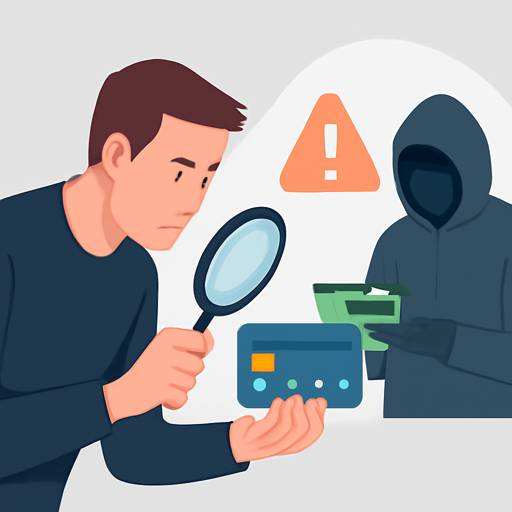
There’s also the enforcement dimension. High-profile marketplaces have been taken down after months of covert monitoring. Arrests often target sellers and infrastructure, but buyer behavior is not invisible. Communications, PGP blobs, cryptocurrency flows, and shipping records leave trails. In several crackdowns, buyers faced searches, device seizures, probation, or worse. The supposed safety of “escrow” and “encrypted chats” doesn’t erase the risk of correlation across logs, exchanges, and network metadata—especially when market operators prioritize profit over any buyer’s operational security.
Behind the tech headlines, the payment industry shoulders rising costs: issuers reissue cards and manage disputes; merchants absorb chargebacks and fraud tools; consumers face new friction like step-up authentication. The ripple effect pushes legitimate prices higher and convenience lower. Every click toward legitimate cc shops funds a supply chain of theft, malware, phishing, and laundering that penalizes people who never chose to be involved. The human cost is not hypothetical; it’s the daily burden of fraud operations, call centers, and families repairing their finances after a breach.
Stay on the Right Side: Lawful Ways to Protect Yourself and Your Business
Instead of chasing the mirage of authentic cc shops or “reputable” sellers, channel that curiosity into defense. For individuals, start with fundamentals: enable real-time transaction alerts on all cards and accounts, use strong unique passwords with a reputable password manager, and turn on multifactor authentication wherever possible. Consider virtual or single-use card numbers for online purchases, available through many issuers, to reduce exposure if a merchant is compromised. Review statements each month and dispute any unauthorized charges immediately; timely reporting improves your odds of a clean resolution.
Freezing your credit with each major bureau is a powerful preventive step against new-account fraud, especially after a breach. When shopping online, stick to well-known merchants, confirm HTTPS, avoid links from unsolicited messages, and never share full card details over email or chat. Watch for checkout red flags—unexpected surcharges, redirects to unfamiliar gateways, or requests for unusually sensitive data. If a site seems off, it probably is. Curiosity about best ccv buying websites should be a reminder to reinforce security habits, not to test the water.
For merchants, a defense-in-depth approach is crucial. Maintain PCI DSS compliance, segment cardholder data from the rest of your network, and prefer tokenization so raw PANs never touch your servers. Enable address verification (AVS) and CVV checks, implement 3-D Secure 2 for step-up authentication where appropriate, and use risk scoring rules that consider device reputation, IP velocity, BIN ranges, and behavioral anomalies. Rate-limit checkout attempts, block obvious card-testing patterns (sequences of small transactions from different cards), and add CAPTCHAs or bot mitigation for high-risk flows.
Operational readiness matters as much as tooling. Train staff to recognize fraud indicators (mismatch of billing and shipping, unusually large first-time orders, rush delivery with new accounts). Monitor dashboards for spikes in declines or refunds that may signal testing or account takeover. Establish a clear incident response plan: who to notify, how to preserve logs, and how to coordinate with your acquirer and law enforcement if needed. Maintain updated breach notification playbooks and rehearse them. The goal is to reduce false positives while making card testing unprofitable and account takeover short-lived—shutting down the feedback loop that incentivizes demand for dark web legit cc vendors or any narrative of legitimate cc shops.
At the ecosystem level, collaboration pays dividends. Participate in shared threat intelligence communities, subscribe to issuer or processor advisories on new BIN attacks, and evaluate machine-learning fraud tools that adapt to emerging patterns without excessive friction for good customers. Balance convenience with safety by A/B testing authentication prompts and monitoring conversion impacts. The safer and smarter the legitimate economy becomes, the less runway there is for the myths and marketing that keep pushing people toward the false promise of best sites to buy ccs. Prevention is not just ethical and legal; it’s a competitive advantage.