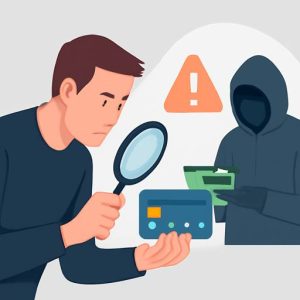
The digital underground is often portrayed as a lawless abyss, but for those who have spent years observing its evolution, a more nuanced picture emerges. The market for credit card information—cards, CVVs, fullz—is vast, volatile, and riddled with deception. Yet, contrary to popular belief, there exist legitimate cc shops that operate with a surprising level of professionalism. These are not the scam-ridden dumpsters of the early dark web; they are curated platforms where vendors rely on reputation, escrow systems, and customer feedback to sustain long-term businesses. Understanding the difference between a transient scam and a reliable source requires more than just surface-level browsing—it demands knowledge of how trust is built in an environment built on anonymity.
The demand for best sites to buy ccs has grown exponentially, driven by both cybercriminals and, surprisingly, security researchers and ethical testers. However, the average user who stumbles onto a dark net marketplace is immediately confronted with a flood of vendors claiming to offer "fresh dumps" or "high-balance cards." The reality is that 95% of these offers are either stolen credentials that are already flagged or complete fabrications. Legitimate vendors, on the other hand, operate differently. They provide detailed carding guides, use PGP encryption for communications, and offer sample cards to prove validity. Their shops often mirror e-commerce sites with clear categories (Visa, Mastercard, Amex, bin ranges, country filters) and transparent pricing based on card tier. Recognising these hallmarks is the first step toward distinguishing a genuine operation from a phishing page.
One critical aspect that many overlook is the role of carding communities. These forums and chat groups act as informal verification systems. Before engaging with any vendor, experienced buyers cross-reference the vendor's username across multiple platforms, request vouches from established members, and check the age of their escrow accounts. A vendor who has been active for more than a year with consistent positive feedback is far more likely to deliver authentic cc shops than a new account offering impossible deals. The dark web is not a place for shortcuts; it rewards patience and research.
Decoding the Anatomy of a Modern CC Shop Site
A cc shop site today resembles a legitimate online store in many ways. It has a homepage, product listings, a shopping cart, and often a rating system. However, the backend is where the sophistication lies. These shops typically operate on the Tor network, using .onion domains that change periodically to avoid law enforcement takedowns. A well-run shop will have multiple mirrors and a dedicated support channel. The inventory is dynamic—cards are added in real time as they are harvested from data breaches, skimming devices, or phishing campaigns. The best shops also offer card-checking tools that allow buyers to verify the balance or validity of a card before purchase, reducing the risk of buying dead plastic.
The pricing model is also a telltale sign of legitimacy. Best ccv buying websites do not sell cards at rock-bottom prices. A fresh, high-limit card with a verified CVV will typically cost anywhere from $10 to $100 depending on its issuing bank, country, and remaining balance. If a vendor offers a "fullz" (full identity info) for $5, it is almost certainly a scam or recycled data. Legitimate vendors understand that their reputation hinges on the quality of their data, so they perform regular culling of invalid entries. Additionally, they often provide a "replacement policy": if a card dies within 24 hours of purchase, they will swap it for a different one of equal value. This level of customer service is rarely seen in scam operations.
Another key feature of a reliable legit sites to buy cc is the payment method. While many still accept Bitcoin, the more advanced shops now integrate Monero (XMR) due to its superior privacy. They also avoid mixing funds directly; instead, they use multi-signature escrow wallets or automatic payment processors that release funds only after the buyer confirms receipt of valid data. This protects both parties and reduces the chance of chargebacks—a term that has no meaning in cryptocurrency but refers to the buyer being cheated. The infrastructure of these shops is often hosted on bulletproof servers in jurisdictions with lax cybercrime enforcement, adding another layer of security.
It is important to note that even among authentic cc shops, the landscape shifts constantly. A vendor who was reputable six months ago may have been arrested, turned informant, or simply sold their database to a competitor. This is why regular users maintain private lists of verified vendors and share updates within closed circles. The concept of "tier" is real: Tier 1 vendors are those with years of history, many positive reviews, and minimal complaints. Tier 2 are newer but promising, while Tier 3 are best avoided. Any article claiming to list the "top 10" should be met with skepticism, as the market is too fluid for static rankings.
Red Flags and Verification Tactics: Separating Legitimate Shops From Scams
Even with a solid understanding of how a proper shop looks, the dark web is infamous for its exit scams. An exit scam occurs when a vendor builds a reputation over months, then suddenly disappears with all pending funds. This is a common tactic even among otherwise dark web legit cc vendors who were once trusted. To mitigate this, experienced buyers never keep large sums in a vendor’s internal wallet. They use external escrow services or, better yet, trade only through established marketplaces like AlphaBay’s successor (though many have fallen). The safest practice is to perform a small test purchase first—buy one or two low-value cards, check them, and then scale up only if satisfied.
Another red flag is the absence of doxxing or public verification. Some legitimate vendors go as far as releasing a portion of their personal information (e.g., a blurred ID) to prove they are not law enforcement. While this sounds counterintuitive, it is a common “proof of life” tactic in the scene. Scammers never do this because they have no intention of long-term operation. Additionally, genuine vendors often participate in podcasts or interviews on dark web forums, answering questions and building rapport. If a vendor refuses to engage with the community beyond sales threads, consider that a warning.
Real-world case study: In 2023, a well-known vendor operating under the moniker "Bifrost" ran a shop that was considered one of the best sites to buy ccs for over two years. They had a 4.8/5 rating on three separate forums, offered 48-hour replacement, and accepted Monero only. Their downfall came when a rival forum administrator hacked their database and leaked their IP logs. It turned out Bifrost was actually a group of three individuals based in Eastern Europe, and two were indicted. The third fled and reopened under a new name. This highlights that even the most legitimate shops face existential threats from both law enforcement and internal competition. For buyers, the lesson is to never assume permanence—always have a backup vendor.
Another case involves the rise of "carding as a service" (CaaS), where vendors provide not just cards but also tutorials, SSH proxies, and even automated checkout bots. These comprehensive packages are often offered by legitimate cc shops that want to retain customers by adding value. However, such bundles are also heavily monitored by cybercrime units. In 2024, a CaaS platform called "Strike" was seized by the FBI after a two-year sting operation. The operators had been feeding fake cards to buyers for months to build a case. This illustrates that while authentic cc shops do exist, they operate in a cat-and-mouse game where trust is perpetually provisional.
For those determined to navigate this space safely, the most reliable method is to use a trusted intermediary or a known list curated by veteran carders. One such resource that has been consistently updated by the community is dark web legit cc vendors, which aggregates verified vendors and provides detailed reviews. This link is not a recommendation to engage in illegal activity, but a reference for understanding how the ecosystem self-regulates. By cross-referencing vendor details from such sources with forum feedback and independent checks, a buyer can significantly reduce the risk of being scammed or compromised.
Ultimately, the dark web's cc market is a high-risk, high-reward environment. The best ccv buying websites are those that combine technical reliability with a human element—vendors who understand that their reputation is their only real asset. Whether you are a researcher, a curious observer, or a participant, the key is to remain skeptical, verify everything, and never invest more than you are willing to lose. The stories of both successful purchases and devastating losses are plentiful, and they all underscore the same truth: in the shadows, legitimacy is a fragile construct built on evidence, not promises.